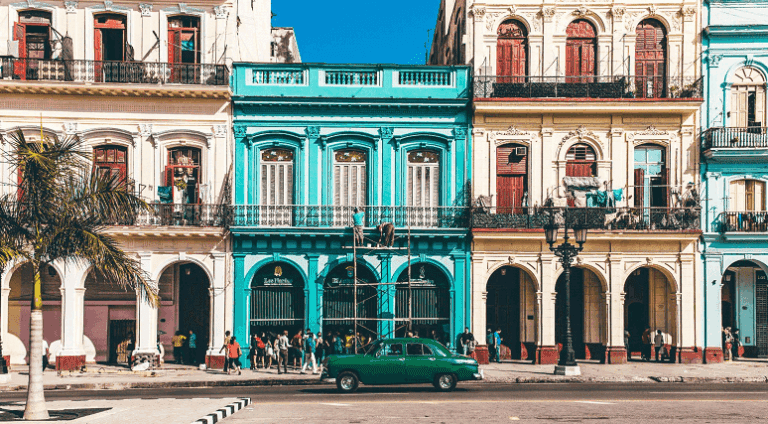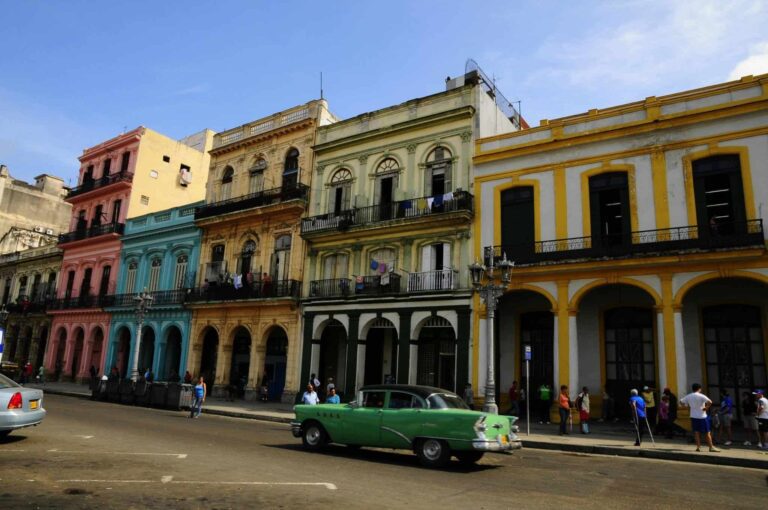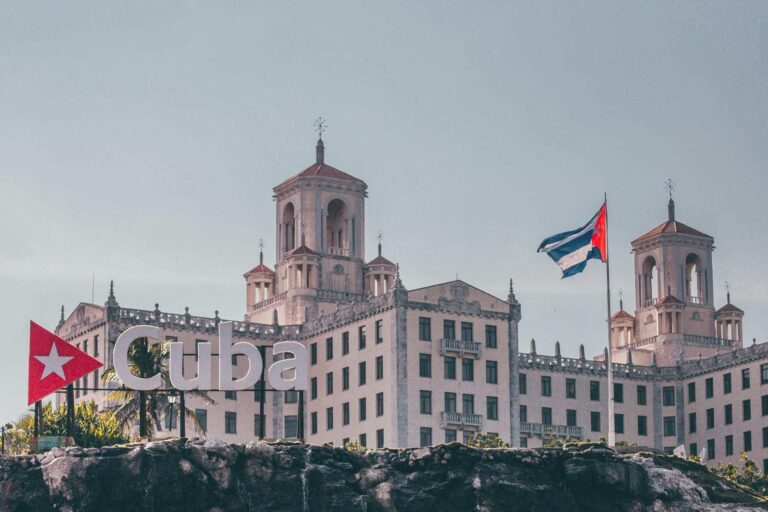
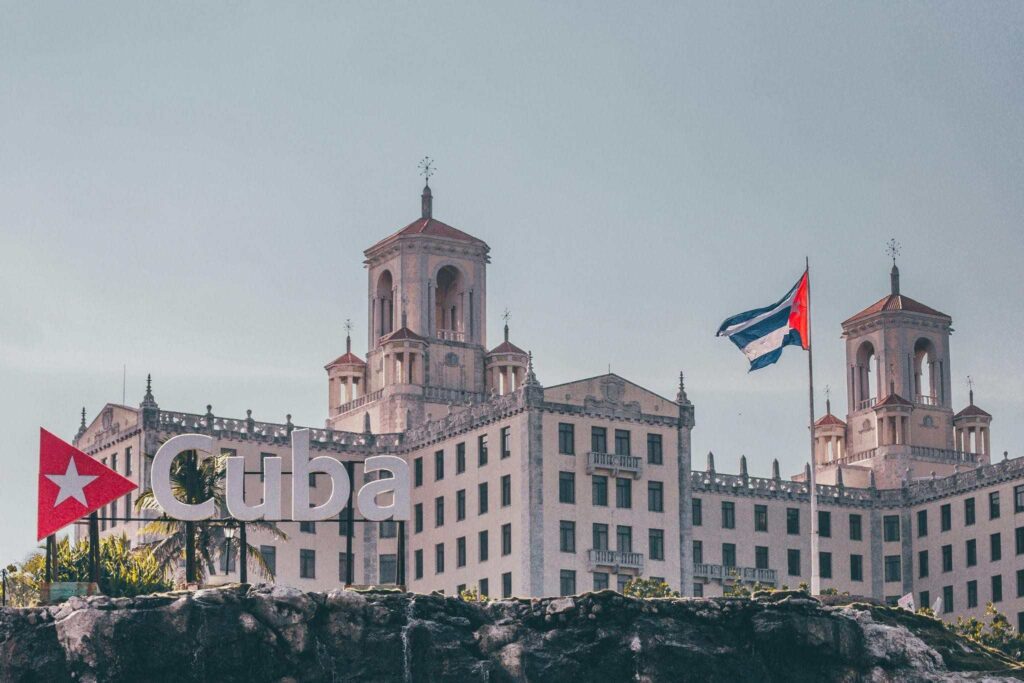
Cuba is an enchanting Caribbean island full of life, color, and history. Picture vibrant streets lined with classic cars, friendly locals dancing to infectious rhythms, and sun-drenched beaches that stretch for miles. But Cuba is more than just postcard-perfect scenes — it’s a place where every building has a story and every meal is a celebration of culture. Whether you’re a history buff, beach lover, or foodie, Cuba offers something unforgettable for everyone.
Best Time to Visit
- High Season: December – April
- Shoulder Season: May – June, October – November
- Low Season: July – September
Wondering when to pack your bags and salsa your way into Cuba? The sweet spot is during the dry season, which runs from November to April. Think blue skies, sunshine, and ideal beach weather. It’s also peak tourist season, so expect lively streets and slightly higher prices — but totally worth it for that perfect mojito-in-hand vacation vibe.
Looking to avoid crowds (and maybe snag cheaper accommodation)? Try the shoulder seasons — May or late September to early October. You might catch a few rain showers, but you’ll have more space to explore.
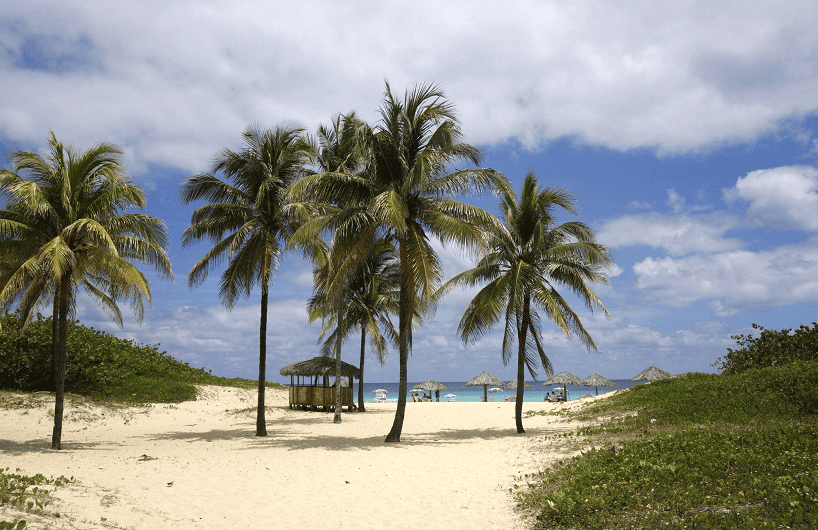
Word to the wise: June to August can be hot, humid, and hurricane-prone — unless you’re into steamy weather and spontaneous downpours, maybe skip it..
How to Get There (Visa & Travel Requirements)
Most international travelers arrive via Jose Marti International Airport (HAV) in Havana, but there are also flights to other cities like Varadero and Santiago de Cuba.
Visa Requirements:
- S. citizens must travel under one of the 12 categories of authorized travel (like “Support for the Cuban People”). Pure tourism isn’t allowed.
- A Cuban Tourist Card (also called a visa) is required. It must now be purchased online only. You can order it through Cuba Travel Services, and it currently costs $85 USD.
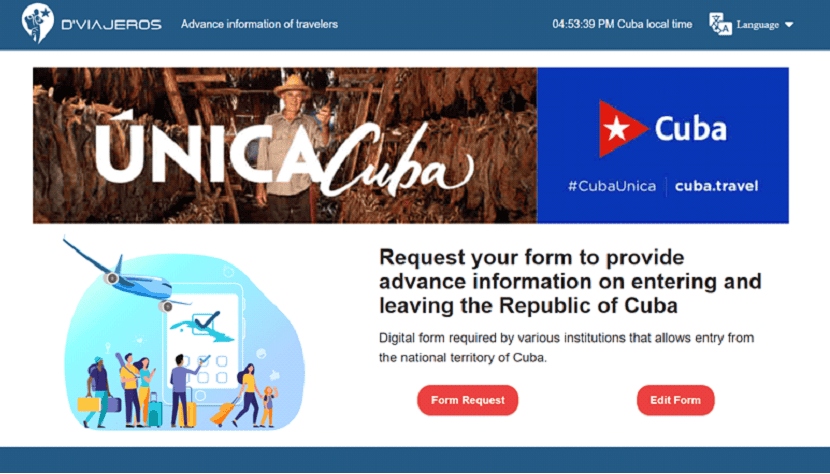
- All travelers must also complete the D’Viajeros online form before arrival. You can fill it out here: https://www.dviajeros.mitrans.gob.cu/inicio.
- Travel insurance is mandatory. Make sure your policy covers you in Cuba. When traveling from the U.S., your boarding pass is proof of insurance coverage, so do not lose this! You can contact your airline to confirm which insurance provider will cover you during your stay (ESICUBA, ASISTUR, etc.).
Check the latest travel rules with the U.S. Embassy in Cuba.
Language
Spanish is the official language of Cuba, and while many people in tourist areas may speak some English, learning a few Spanish phrases will go a long way in making connections and navigating the country.
Knowing a few basic Spanish phrases can make your trip smoother and more enjoyable:
- Hola – Hi
- Por favor – Please
- Gracias – Thank you
- Buenos días / Buenas tardes / Buenas noches – Good morning / Good afternoon / Good evening
- ¿Cómo estás? – How are you?
- Mucho gusto – Nice to meet you
- Me gustaría – I would like
- Yo necesito – I need
- ¿Tiene? – Do you have?
- ¿Dónde está? – Where is?
- ¿Cuánto cuesta? – How much does it cost?
- ¿Qué hora es? – What time is it?
- A la derecha / A la izquierda / Siga derecho – On the right / On the left / Straight ahead
- A una cuadra / A dos, tres, cuatro cuadras– In one block / In two, three, four blocks
- El baño – The bathroom
- Banco / Dinero / Cambio / La cuenta – Bank / Money / Change / The bill
- Yo (no) entiendo – I (don’t) understand
- ¿Habla inglés? – Do you speak English?
- Una cerveza, por favor – One beer, please
- Estoy perdido/a – I’m lost
Tip: Download Google Translate and set it to offline mode so you can use it without internet access.
Money and Currency
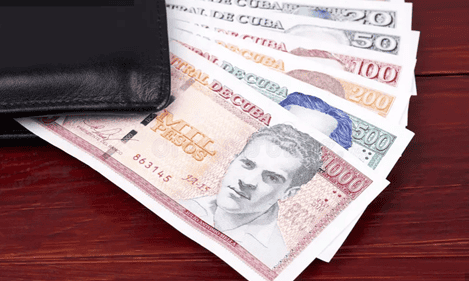
Cuba uses the Cuban Peso (CUP). CUC (Convertible Peso) is no longer in use.
Here’s what you need to know:
- Bring CASH. U.S. dollars can be used in most places. Euros or Canadian dollars get the best exchange rate, while U.S. dollars incur extra fees.
- Credit and debit cards issued by U.S. banks won’t work. Bring enough cash for your entire trip.
- AVOID exchanging money at official places like CADECA offices, banks, or hotel front desks. The rates are awful.
- Black market (aka Facebook) money exchange seems convenient (because it is) and gets you a way better rate, BUT it is technically illegal and risky. Use your own judgment on this one.
Wifi & Blackouts in Havana
You’re not in Kansas—or Cleveland—anymore, and that means two things across all of Cuba: Wi-Fi is elusive, and blackouts are practically a national pastime.
Blackouts (a.k.a. Apagones):
Rolling blackouts happen all over the island, especially during the hotter months or when energy demand spikes. From bustling Havana to sleepy rural towns, the lights can flicker out for anywhere from a few minutes to a few hours. Most casas particulares are ready for this and have backup lighting—candles, battery-powered lanterns, or just good old-fashioned ambiance that screams “colonial chic.”
What to pack: A rechargeable mini fan (bless it), a power bank, and a flashlight or headlamp. Trust me, a candlelit shower in Viñales will be one for the memory books.
Wi-Fi in Cuba:
Getting online in Cuba isn’t impossible, but it is an adventure. Expect a slow connection, a few workarounds, and plenty of unplugged moments.
Here’s how to connect island-wide:
- Airbnbs and Casas Particulares: Some offer Wi-Fi (ask in advance), but it can be patchy or limited to certain hours.
- SIM Cards: Tourists can buy a Cuban SIM card with data (CubacelTur is your go-to). Just make sure your phone is unlocked and be ready for slow speeds.
- Wi-Fi Parks: Public parks in most towns and cities have ETECSA-run Wi-Fi hotspots. Look for locals and travelers clustered under trees and on benches, screens glowing like fireflies. You’ll need a NAUTA card (buy at ETECSA stores, hotels, or from semi-official-looking resellers on the street).
- Hotels, Restaurants & Cafés: Some larger hotels and trendier restaurants offer Wi-Fi to guests. You might have to buy a card or order a drink first—consider it the price of digital admission.
- Airports: Most international airports, like Havana, Varadero, and Santiago, offer around 30 minutes of free Wi-Fi. Save it for something important, like texting mom or downloading more salsa playlists.
- Portable Hotspots: These can be rented in advance, but service is hit-or-miss and data limits apply. Use sparingly.
Apps to Download Before You Arrive:
- Google Translate (download Spanish offline)
- WhatsApp (used everywhere in Cuba)
- me (essential offline maps with walking and driving routes)
Pro Tip: Cuba is where your inbox goes on vacation too. Accept the digital detox, sync with island time, and let the Wi-Fi woes fade into background noise. Your group chat will survive—probably.
Culture and Traditions
Music
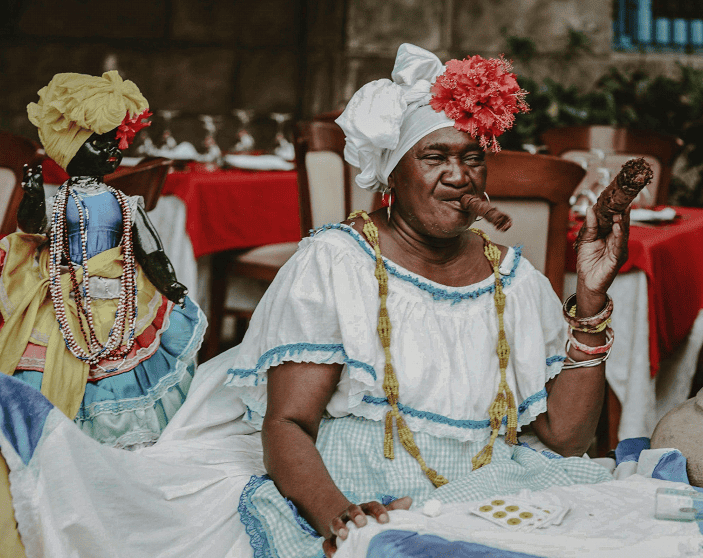
Cuban music is world-renowned — from classic son cubano and bolero to modern reggaetón and timba. Live music is everywhere: in bars, on street corners, even inside restaurants. You’ll likely end up dancing without even realizing it. The rhythms are infectious, and the instruments used — like the guitar, trumpet, and congas — create a sound that’s impossible to ignore. Whether you’re in a local café or at a massive concert, the music pulses through the streets, making every corner feel alive. If you’re lucky, you might stumble upon a spontaneous jam session, where locals and tourists come together to share in the joy of music.
Cuban music is deeply intertwined with the island’s culture and history, representing a melting pot of influences from Africa, Spain, and the Caribbean. The fusion of these sounds has created iconic genres such as salsa and son, both of which have influenced international music scenes. As you explore Havana, be sure to check out the local music scene — from the lively clubs in Vedado to the intimate performances in Old Havana. You can also visit the National Museum of Music, where the rich history of Cuban sound is on full display.
Dance
Salsa is more than just a dance in Cuba — it’s a way of life. Don’t be shy about joining in! Locals are often more than happy to show you a few steps. Other traditional dances include rumba, mambo, and cha-cha-cha. These dances are deeply connected to Cuban identity, as they’ve been passed down through generations and reflect the vibrant spirit of the island. If you’re feeling adventurous, take a salsa lesson — it’s one of the best ways to immerse yourself in the Cuban culture.
Cuba’s streets are filled with spontaneous dance parties, where the sounds of the music invite you to join in. Whether it’s a professional performance at a theater or a casual gathering in a park, dance is an integral part of daily life. Even if you’re not a dancer, simply watching the graceful footwork and passionate movements will leave you in awe. The Cuban attitude towards dancing is relaxed and welcoming, so don’t worry if you’re not a pro — just let the rhythm guide you.
Religion
Cuba’s religious identity is diverse. While many Cubans identify as Catholic, Santería, an Afro-Cuban religion that blends Yoruba spirituality with Catholic saints, is also widely practiced. Look for people dressed in white — it’s often part of Santería initiation. The religion has deep roots in Cuban culture, with ceremonies and rituals that can be both mesmerizing and mysterious. You’ll find Santería practiced in homes, temples, and even on the streets, with offerings to deities and rituals performed to bring good fortune and health.
Religious festivals and processions are common, particularly in the cities, where they blend Catholic and Afro-Cuban traditions. The most famous celebration is the Festival of the Virgin of Charity of Cobre, which honors Cuba’s patron saint. It’s a celebration of both faith and Cuban identity, with music, dancing, and parades filling the streets. Santería may be considered taboo by some, but for many Cubans, it represents an important part of their heritage and spiritual practice.
History
Cuba’s past shapes everything from its architecture to its politics. Learn about its revolutionary history by visiting the Museum of the Revolution, Plaza de la Revolución, and Che Guevara’s Mausoleum in Santa Clara. These landmarks are more than just tourist attractions — they serve as symbols of Cuba’s complex and turbulent journey toward independence and self-determination. Whether you’re walking through the murals of Old Havana or visiting the sites of major political events, Cuba’s history is impossible to ignore.
The island’s history also plays out in its architecture. Colonial buildings, with their vibrant colors and crumbling facades, tell the story of Cuba’s Spanish colonial past. The grand plazas and fortresses reflect a time of European influence, while Soviet-style structures from the communist era offer a glimpse into Cuba’s more recent history. The contrast of old and new creates a unique atmosphere that’s both nostalgic and forward-looking, with each building telling its own piece of the larger Cuban story.
What to Pack
Packing for Cuba isn’t just about swimsuits and sunscreen—it’s about being prepared for a destination where modern conveniences can be unpredictable. From tropical heat to spotty internet and the occasional blackout, having the right gear makes all the difference. Here’s a practical list of essentials to help you stay comfortable, connected, and stress-free on your Cuban adventure. Find a more comprehensive packing guide here.
- Lightweight clothes for hot, humid weather
- Swimsuit and sandals for beach and pool days
- Comfortable walking shoes for exploring cities and cobblestone streets
- Reusable water bottle to stay hydrated
- Travel adapter (Cuba uses both 110V and 220V – bring a universal adapter)
- Sunscreen, insect repellent, and basic medicine (these are expensive and hard to find in Cuba)
- Spanish phrasebook or translation app (offline-capable is best)
- Copies of important documents (passport, visa, travel insurance, etc.)
- Hand sanitizer for hygiene on the go
- Rechargeable mini fan, power bank, and flashlight or headlamp (blackouts happen!)
- Cash in small bills – Euros or USD for exchange, as cards may not work
- Toilet paper or travel tissues for public restrooms
- Wet wipes for freshening up on hot days
- Snacks like granola bars or trail mix for travel days or food gaps
- Small daypack or crossbody bag for daily outings
- Ziplock bags or dry bags to protect electronics or hold wet clothes
- Notebook and pen for notes or non-verbal communication
- Offline entertainment – books, downloaded podcasts, or offline maps
Top Destinations to Visit
Havana
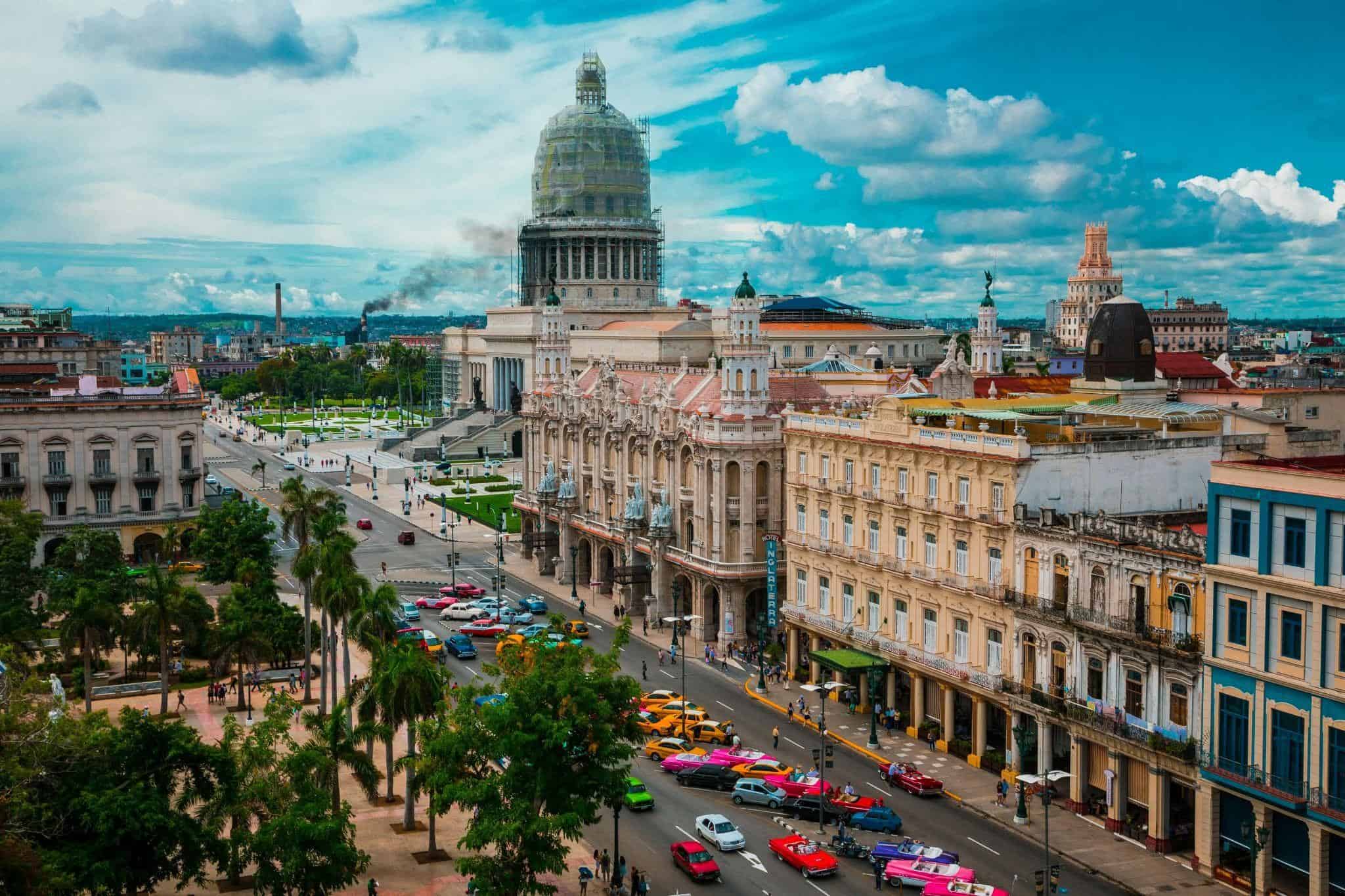
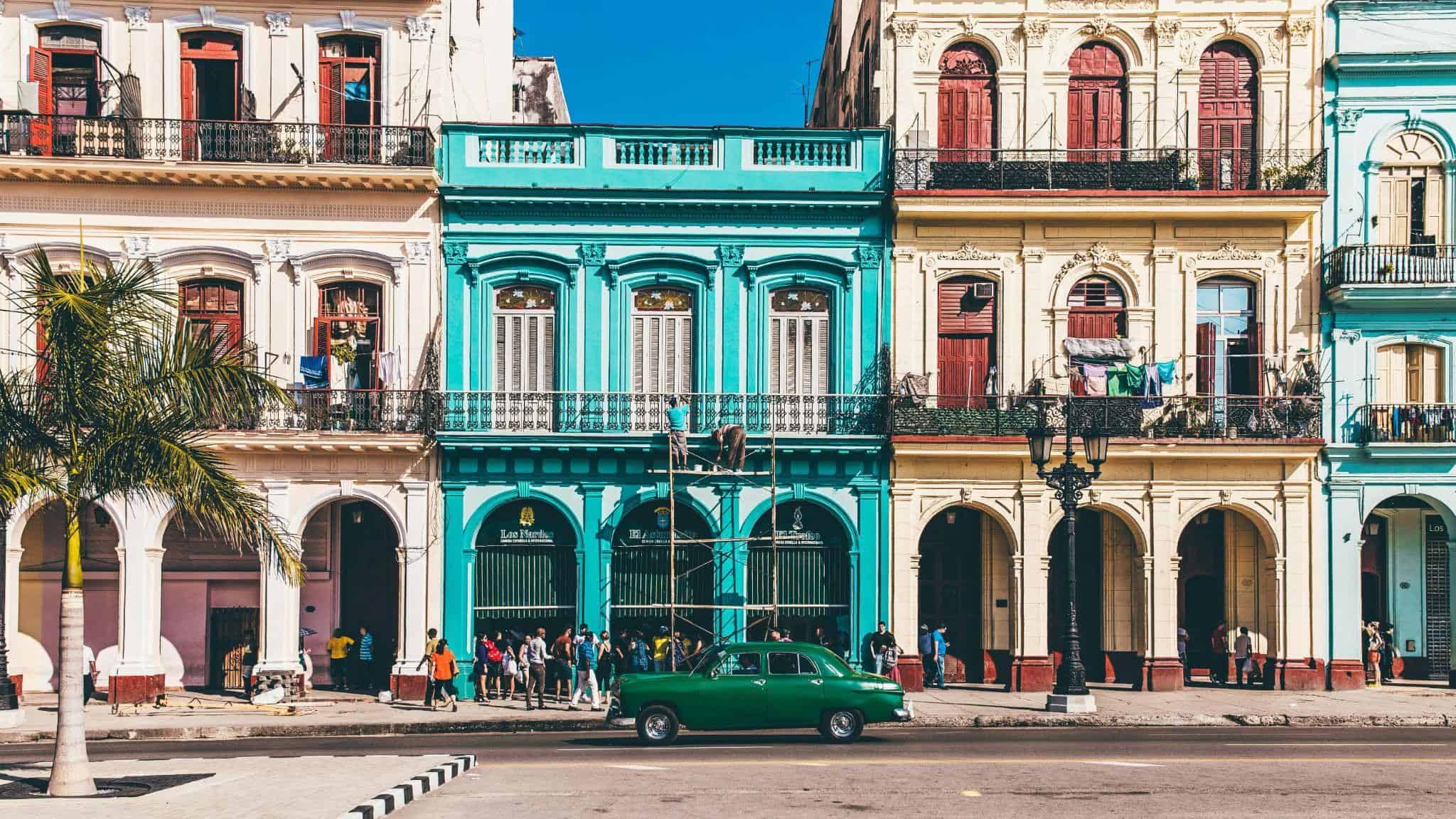
The capital city of Cuba is bursting with energy, music, and old-world charm. Explore Old Havana (Habana Vieja), a UNESCO World Heritage Site filled with cobbled streets, colorful buildings, and historic plazas. Ride in a vintage convertible, catch sunset at the Malecón, and enjoy cocktails at El Floridita, once frequented by Ernest Hemingway.
Beyond the postcard-perfect streets of Old Havana, the city pulses with local life in neighborhoods like Centro Habana and Vedado. Here, you’ll find crumbling colonial facades standing proudly beside bustling markets, family-run paladares (private restaurants), and impromptu domino games played on sidewalks. Don’t miss the chance to visit the iconic Hotel Nacional for a dose of history and one of the best mojitos in town—with a sea view to match.
Art lovers should carve out time for Fábrica de Arte Cubano, a trendy cultural hub housed in a former factory that blends contemporary art, music, film, and nightlife under one roof. Havana’s contradictions are part of its charm—where 1950s cars cruise past revolutionary murals, and the rhythm of salsa spills out of every doorway. Whether you’re wandering aimlessly or following a guide, the capital city will leave you enchanted.
Viñales
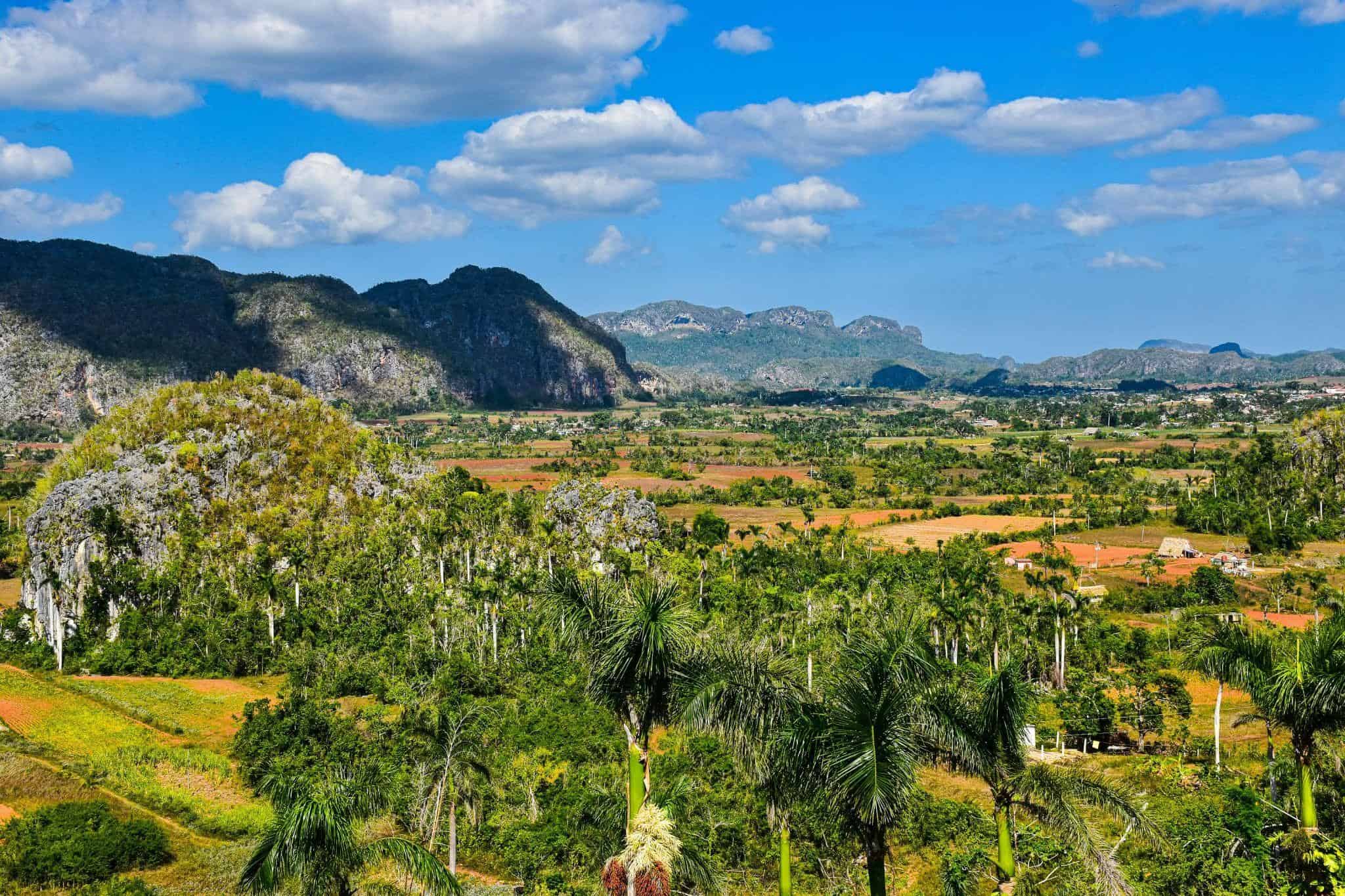
Located in the countryside, Viñales is famous for its lush tobacco fields and dramatic limestone hills (mogotes). Take a guided horseback ride through the valley, tour a traditional cigar farm, and enjoy the slow pace of rural Cuba.
Viñales is also a paradise for nature lovers and adventure seekers. Hike through Viñales National Park for panoramic views of the mogotes and vibrant green valleys, or explore hidden caves like Cueva del Indio, where you can take a boat ride through an underground river. Birdwatchers will love spotting endemic species flitting through the trees, while rock climbers come from all over the world to tackle the sheer limestone cliffs.
After a day of exploring, unwind in the town’s charming plaza, where locals gather in the evenings for music, dancing, and conversation. Many travelers choose to stay in casas particulares (private homestays), where warm hospitality and home-cooked Cuban meals make you feel like family. Viñales is the kind of place that invites you to slow down, breathe deep, and truly soak in the natural beauty and cultural richness of the Cuban countryside.
Trinidad
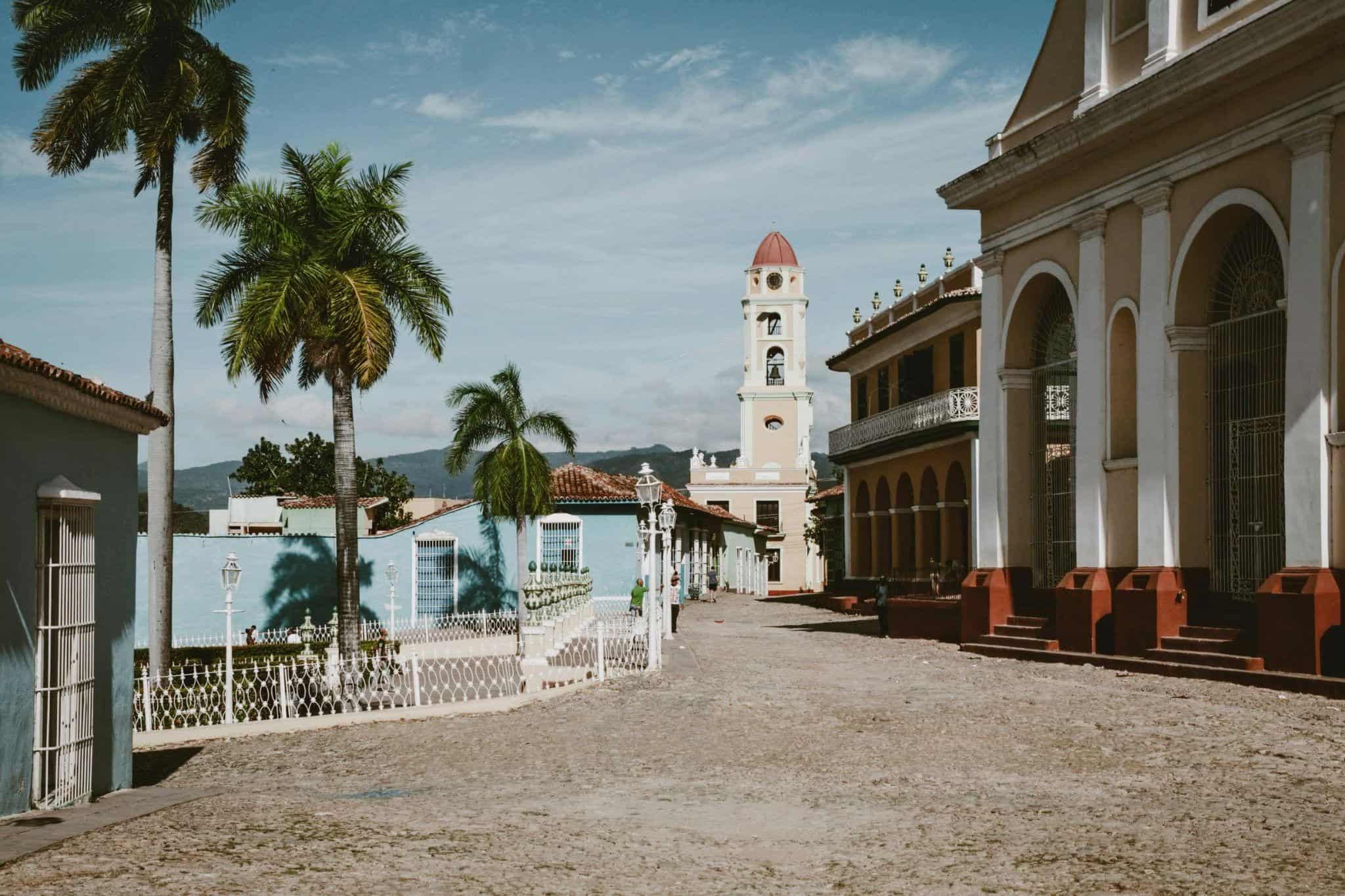
A colonial town frozen in time. With its pastel houses, charming cobblestone streets, and lively town squares, Trinidad is perfect for cultural immersion. Don’t miss the Casa de la Musica for live salsa under the stars.
By day, wander through Trinidad’s well-preserved historic center, where horse-drawn carts still clip-clop along streets lined with 18th-century architecture. Visit the Museo Romántico or Museo Histórico Municipal to get a glimpse into the city’s sugar trade past, then climb the bell tower at the Convento de San Francisco for sweeping views of red-tiled rooftops and the surrounding Escambray Mountains.
For a change of pace, head just outside town to Playa Ancón, one of Cuba’s best beaches, where you can relax on white sand or snorkel in clear Caribbean waters. Back in town, explore the local art scene—Trinidad is known for its talented painters and potters, and you’ll find unique handmade souvenirs in studios tucked into colonial courtyards. As the sun sets, follow the rhythm of the drums back to the town square, where music and dancing carry on late into the warm tropical night.
Varadero
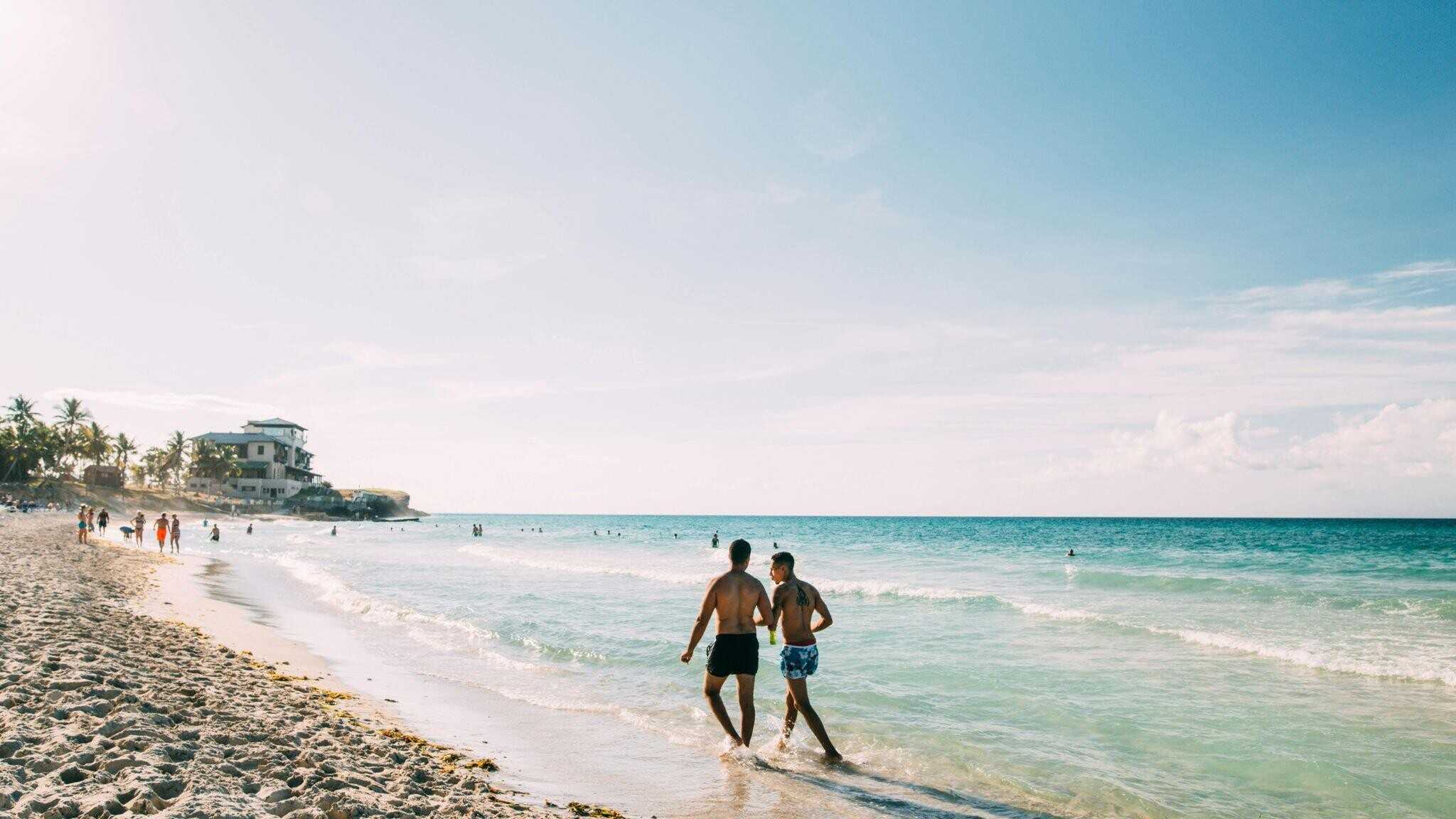
Cuba’s beach paradise. White sand, crystal-clear water, and luxurious all-inclusive resorts make it the ideal spot for relaxation. Activities include snorkeling, paddleboarding, and catamaran tours.
Varadero isn’t just about lounging poolside—venture beyond the resort to discover hidden gems like the Varahicacos Ecological Reserve, where shaded trails lead to ancient caves and native flora. The nearby Saturno Cave offers a unique swimming experience in a natural freshwater cenote surrounded by stalactites. For a taste of local life, head into downtown Varadero to browse artisan markets or enjoy fresh seafood at a family-owned paladar.
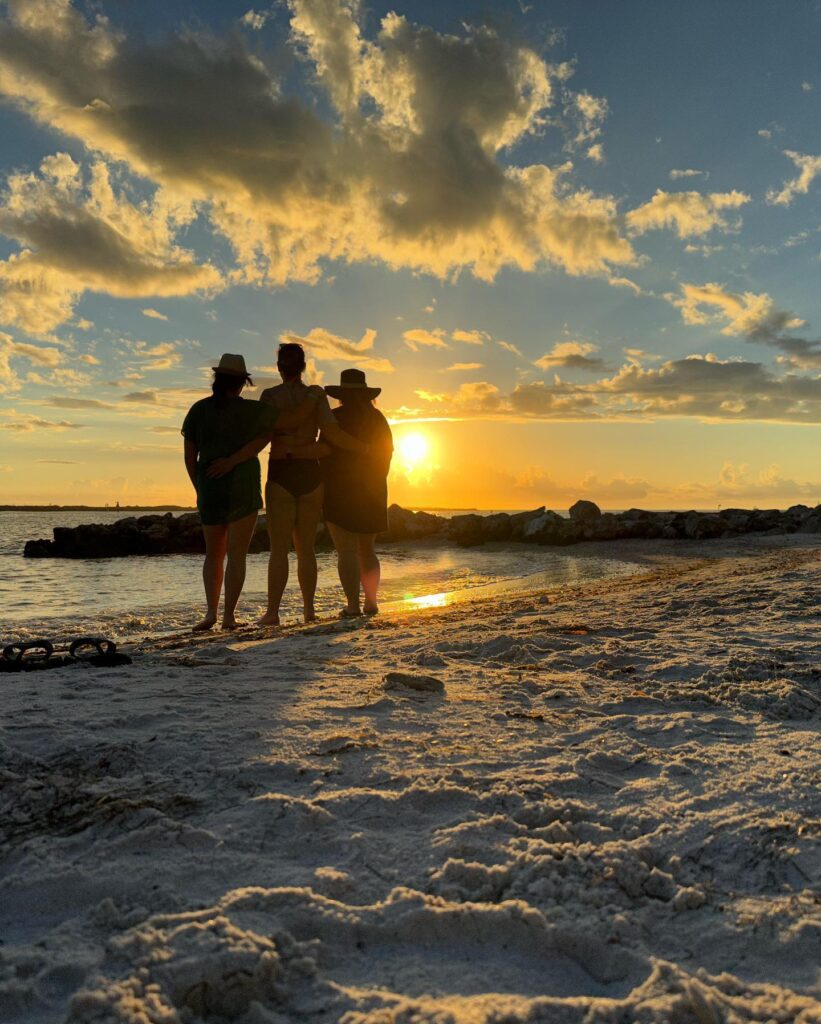
History buffs can visit the elegant Mansión Xanadú, once a millionaire’s seaside estate, now a restaurant and golf clubhouse with sweeping ocean views. Whether you’re sipping cocktails on a catamaran or watching the sunset from the shoreline, Varadero perfectly blends tropical escape with Cuban culture. It’s a dreamy finale—or beginning—to any Cuban adventure.

Santiago de Cuba
Known as the birthplace of Afro-Cuban culture. Visit the Moncada Barracks, enjoy live trova music, and explore the city’s mix of Spanish and Caribbean influences.
Santiago de Cuba is often called the island’s cultural capital, and for good reason. It’s home to vibrant festivals like Carnaval de Santiago, a colorful explosion of music, dance, and parades that rivals Rio’s. Visit Casa de la Trova for an intimate evening of traditional Cuban music, where legendary performers and rising stars share the stage in a setting that feels more like a family gathering than a concert.
The city’s steep, hilly streets are full of surprises—from colonial fortresses like Castillo del Morro, which guards the bay, to revolutionary landmarks and Afro-Caribbean religious altars tucked into quiet corners. Santiago’s energy is raw, real, and deeply soulful. Engage with locals, sip on a strong cup of Cuban coffee, and you’ll quickly understand why this eastern gem holds such a special place in the island’s heart.
Cuban Bucket List
Cuba is a treasure trove of vibrant culture, stunning landscapes, and rich history. Whether you’re dancing to live music in Trinidad, exploring the pristine beaches of Varadero, or learning about the island’s revolutionary past, there’s no shortage of unforgettable experiences. Here’s a list of must-do activities to help you fully immerse yourself in the magic of Cuba.
- Take a classic car tour through Havana
- Hike or horseback ride through the Viñales Valley
- Learn to dance salsa in Trinidad
- Snorkel in the coral reefs of the Bay of Pigs
- Explore colonial history in Camagüey or Cienfuegos
- Spend a day at a Cuban beach with a mojito in hand
- Visit a tobacco farm and watch cigars being hand-rolled
- Catch a live show at Fábrica de Arte Cubano in Havana
- Swim in a cenote or cave pool, like Cueva Saturno
- Tour a rum distillery (try Havana Club or Santiago de Cuba rum)
- Experience a Santería ceremony or browse a spiritual market
- Ride the vintage Hershey electric train for a scenic throwback ride
- Cruise the Malecón at sunset and soak in the seaside vibes
- Dine in a paladar for a home-style Cuban meal
- Dance in a town square with locals — especially in Trinidad or Santiago
- Wander through local markets for handmade souvenirs, art, and spices
Where to Stay
Casa Particulares
These private homestays are not just accommodations — they offer an intimate look into Cuban life. Staying in a casa particular means you’ll be welcomed into a local family’s home, where you’ll share meals, stories, and an authentic cultural experience. Many hosts also provide guided tours or can help arrange transportation and activities. While the rooms are often modest, they are typically clean and comfortable, offering a real feel for daily life in Cuba. Plus, home-cooked meals at a casa particular give you the chance to savor homemade Cuban cuisine, like ropa vieja and picadillo. It’s a personal and enriching way to connect with the island beyond the tourist spots.
Additionally, staying in a casa particular allows you to support local families directly, making it a more sustainable option for travelers. These homestays are often located in residential neighborhoods, giving you a chance to experience Cuba off the beaten path. From Havana’s vibrant streets to the tranquil countryside of Viñales, casa particulares offer diverse settings that are ideal for those looking for a more authentic and affordable experience. Plus, they usually provide invaluable insider tips on where to go and what to do, ensuring you see Cuba like a local.
Boutique Hotels
For those looking for a more refined experience without the mass tourism of big hotels, boutique hotels are a perfect choice. These smaller, stylish properties are often located in beautifully restored colonial buildings, giving them a unique charm and character that larger hotels simply can’t replicate. In cities like Havana and Trinidad, you’ll find boutique hotels with just a few rooms, offering personalized service and intimate atmospheres. Many boutique hotels have a distinct Cuban flair, incorporating vintage décor, local artwork, and a laid-back ambiance that reflects the island’s culture.
These hotels also tend to be located in prime areas, such as Old Havana or near popular cultural landmarks, making them perfect for travelers who want easy access to the best of Cuba’s history, architecture, and nightlife. With fewer guests, boutique hotels often provide a more peaceful, personalized stay, offering a chance to enjoy Cuba at a slower pace. Whether you’re sipping mojitos on a rooftop terrace or relaxing in a courtyard garden, staying in a boutique hotel lets you experience the luxury of Cuba’s rich heritage with a modern twist.
Resorts
Cuba is home to some of the Caribbean’s most stunning resorts, particularly in destinations like Varadero, Cayo Coco, and Cayo Santa María. These all-inclusive resorts offer everything you need for a relaxing stay: expansive pools, pristine beaches, buffet-style dining, and a wide range of activities. With endless options for entertainment, including water sports, yoga classes, and nightly shows, these resorts are ideal for travelers who want a laid-back, all-in-one vacation experience. Whether you prefer lounging by the pool or indulging in spa treatments, Cuba’s resorts are designed to cater to every need, ensuring you can unwind in style.
Beyond just sun and relaxation, many resorts also offer day trips and excursions to nearby attractions like the famous Varadero caves or the protected wildlife areas of Cayo Coco. These destinations are perfect for those who want to enjoy the beauty of Cuba’s beaches without venturing too far from the comfort of their resort. Resorts in Cuba also offer easy access to water activities like snorkeling, diving, and sailing, so you’ll never run out of things to do. While these resorts may not provide the local immersion of a casa particular, they offer a hassle-free, luxurious experience where you can kick back and enjoy the island’s natural beauty.
Check Options on Airbnb or Hostelworld
For even more variety in your accommodations, platforms like Airbnb and Hostelworld offer a wide selection of stays throughout Cuba. Airbnb hosts typically offer a mix of apartments, homes, and even rooms in larger residences, allowing you to choose the type of stay that fits your travel style and budget. Many properties on Airbnb offer the charm of a casa particular with a more modern or private touch, often with amenities like air conditioning, kitchens, and Wi-Fi (though the latter is not always guaranteed). Check out some of my favorite Airbnb’s here.
Hostelworld, on the other hand, offers budget-friendly dormitory-style accommodations that cater to backpackers or solo travelers looking for a social atmosphere. These hostels are great for meeting fellow travelers and getting insider tips on the best places to visit in Cuba. Whether you’re looking for a cozy guesthouse, a chic boutique hotel, or a more affordable dorm room, platforms like Airbnb and Hostelworld give you access to a wide range of options, all while allowing you to read reviews and book accommodations that suit your travel preferences.
Final Thoughts
Cuba isn’t just a vacation — it’s a vibe. From the vintage cars of Havana to the salsa beats echoing through Trinidad, this island wraps you in color, culture, and Caribbean charm. Whether you’re dancing under the stars, hiking through tobacco fields, or sipping mojitos on a white-sand beach, one thing’s for sure: you’ll never forget your trip to Cuba.
So, if you’ve been dreaming of a destination packed with history, heart, and unforgettable adventures — Cuba is calling.
Still planning your Cuba trip? Drop your questions in the comments — I’m always here to help fellow travelers explore Cuba with confidence.
SEO Keywords: Cuba travel guide, how to visit Cuba, best time to go to Cuba, Cuba destinations, Cuba for Americans, Cuban culture, Havana travel tips, Cuban money exchange, what to do in Cuba, Casa particular Cuba